Last week, I had the privilege to talk about financial education in one of the maximum-security prisons in our town.
To enter, we had to pass through two security checkpoints. At the first, we left our IDs and cell phones. At the second, we left behind the noise of the city and our prejudices.
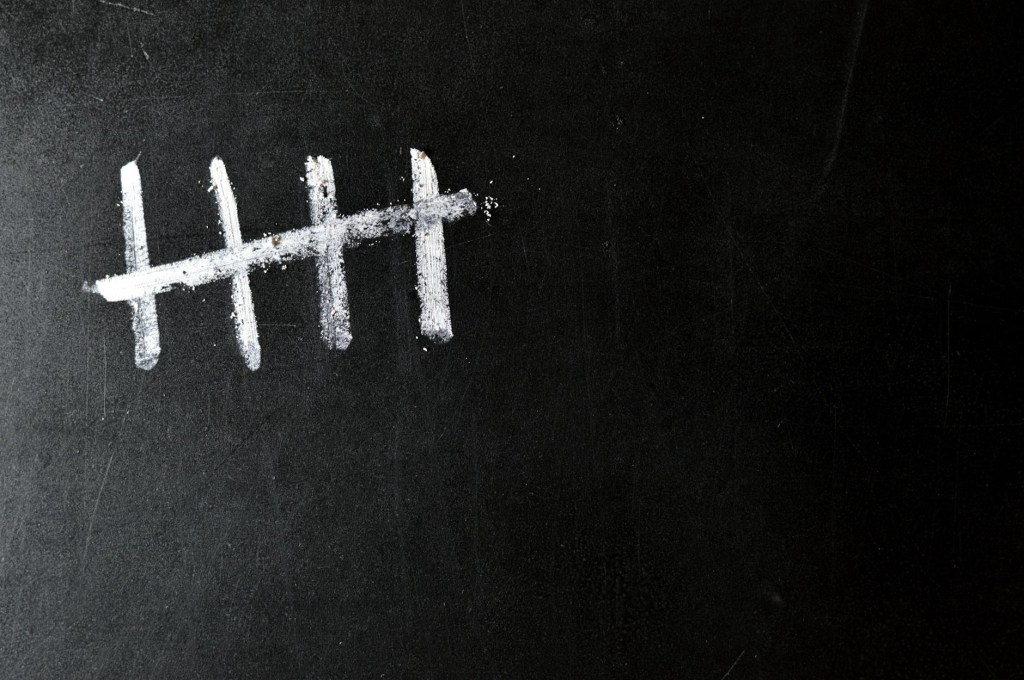
What I have learned:
• In order to give (and receive), one must suspend judgment. We are here for a different purpose. For what we are here to do, it shouldn’t matter if the person in front of us has stolen, killed, or done both.
• Prison is not just about a place lacking freedom. It is rather like a small village, with a simplified and basic set of rules. An enclave within the larger land governed by complex laws and regulations that apply outside of here. The lack of freedom is a consequence of the simpler rules required here. Basic rules are necessary to reform those who couldn’t abide by the complex rules of our society, those who chose to break them, or those who failed to fit within them. In this “city within a city,” exchanges are minimal but not absent. It is possible to do some work, to bring somethings in and out. A small economy is made possible by the few basic rules. Simple rules create simple exchanges, subsistence economies. Here, one realizes that evolved economies and the creation of wealth require complex rules, which in turn demand responsibility.
• A “city within a city” where no one is there by chance. Each person has a specific reason for being there, including us. Human interactions reflect hierarchies and roles. It is surprising, in such a relationship-poor economy, that each active inmate in the classroom insists on shaking our hands. When it’s time to say goodbye, the ritual repeats. Where there is little, that little holds great value.

 negonotes.com