Let’s start the test.
(Don’t worry, nobody will come to know the result!)
Think about one of the big deal you had in your life. For example, when you have bought your house or you have finalized the rental contract. Go back to those days. Think about the scouting you did, people you met. Recall the expectations you had.
First (and last) QUESTION:
Did you hope that your counterpart (the landlord) was an uneducated simple-minded or a negotiation expert?
Please, be honest with yourself.
Well, if you hoped for an uneducated counterpart, you count on the other’s weakness. You believe that the value come from the possibility for you to easily influence the simple-minded’s decisions. Sometime it works. Someone, rarely, made the big deal in this way. But, more often than not, the deal falls through, due to futile reasons or irrational behavior. High risk to waste time and destroy value.
Now, let’s assume you have to find one good house every week, because this is you job.
Do you still hope that all your counterparts will be uneducated simple-minded people or do you prefer they will be used to negotiate?
No chance, this time. You cannot count on the others’ weakness. If you want to go on producing sustainable value each time, you need to do business with people aiming at making valuable trasactions happen.
You can say that you believe in collaborative negotiation when you realize that you hope that your counterpart is – at least – as good as you are at negotiating. And you will call him/she “partner”.
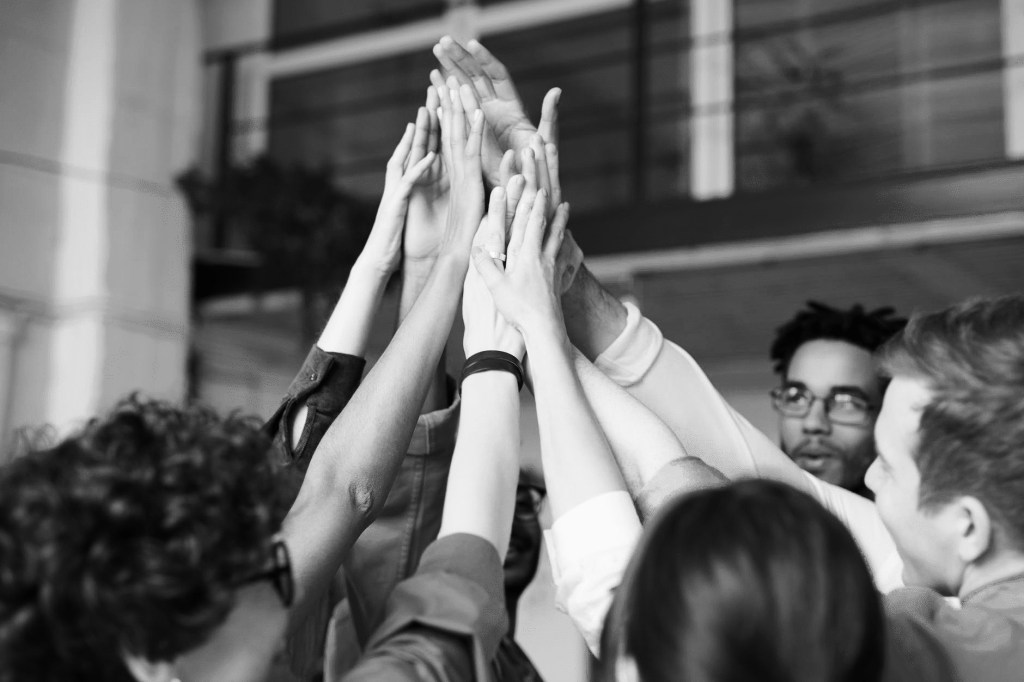
as good as you are
Non-professional negotiators could even count on the counterpart weakness. At their own risk.
Professional negotiators will, more and more, exclude non-collaborative behaviours because that approach does not create enough sustainable value. Professional negotiation can only be collaborative.

 negonotes.com